


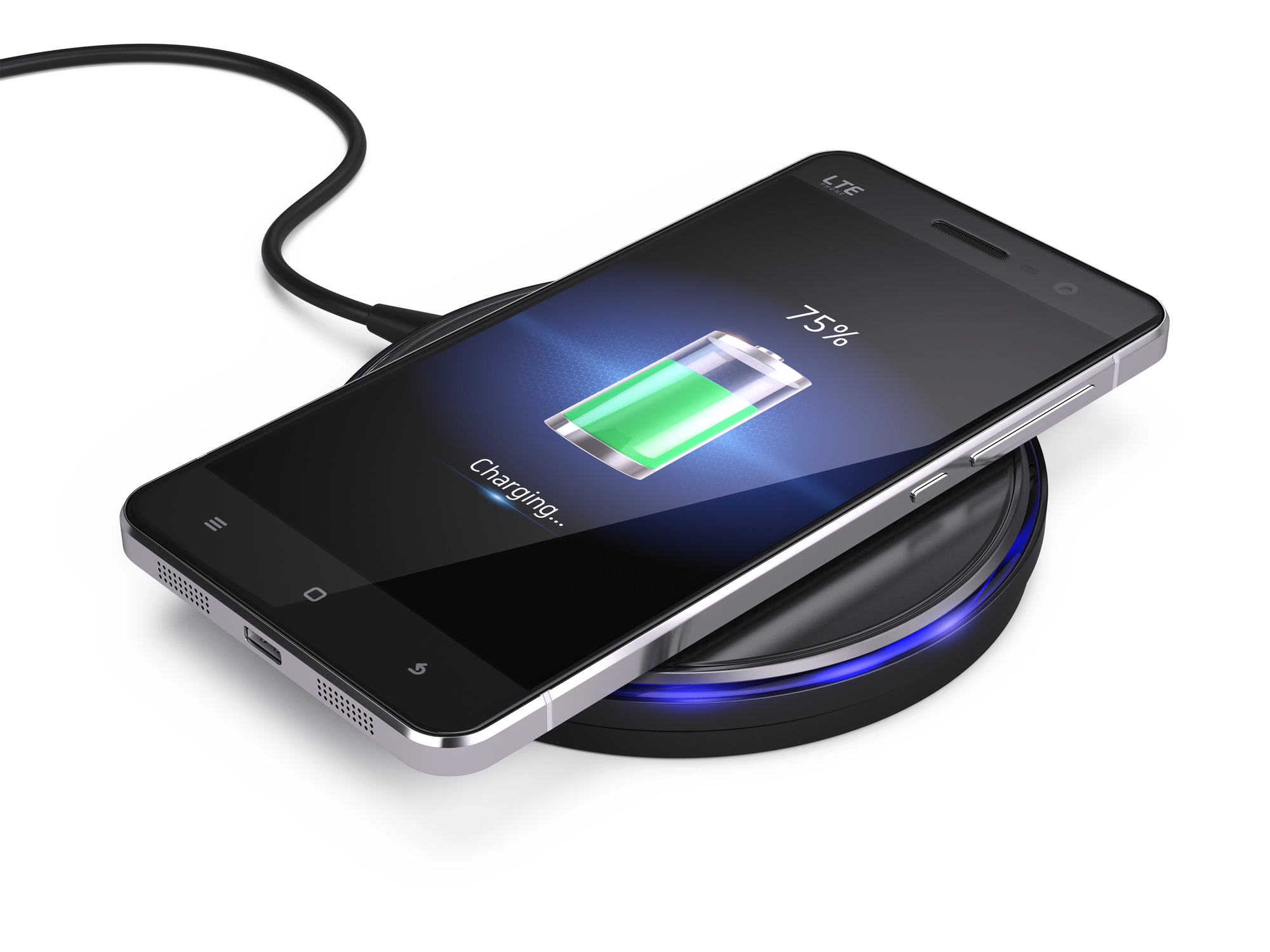
It is Fire Prevention Week (Oct. 4-10) and this year’s theme is “Charge into Fire Safety™:Safe Charging Is a Superpower”.
The theme highlights the safe use and charging of lithium-ion batteries, which power many everyday devices, including cell phones, laptops, tablets, toys, power tools, e-bikes and scooters.
Belleville Chief Fire Prevention Officer Sean McKibben says simple charging habits can help reduce the risk of battery fires.
Those check-out line chargers are economical but can be a hazard.
McKibben says to always use manufacturer-approved equipment and follow the manufacturer’s instructions.
“So that’s basically like what they call the usage and care instructions, but ultimately, it’s to do exactly what they tell you to. So the moment that you change, let’s say, the charging cable, or it’s a compatible battery, and you put it in there, and you change what it was originally designed for. It actually can damage the battery and cause it to catch fire.”
And when lithium-ion batteries do catch fire, McKibben says they don’t burn like regular fire.
“When it comes to lithium ion battery fires, you actually can’t put the fire out. So if you try to put water on it, it actually creates more of a hazard because it changes the gases that are coming out to hydrogen gas and that’s also flammable. If you breathe in that gas, it is very, very highly toxic. It’s a combination of hydrogen, fluoride, cyanide, carbon monoxide, all the gases that you do not want to be breathing in, and it comes out strong and it comes out fast. So not only is there a fire hazard, but there’s also toxic gas in the air. So, don’t don’t attempt to put it out because you won’t be able to do it.
Firefighters have special methods to extinguish lithium-ion batteries.
If you notice a battery is overheating for an unknown reason or if there are other abnormalities like hissing or popping sounds or a strange smell, remove the battery from your home and put it in a non-combustible container.
You can call the fire department to deal with it or, once it has appeared to have cooled, you can take it to the hazardous waste depot at 75 Wallbridge Crescent in Belleville.
Sometimes it can be days before the battery actually catches fire.
McKibbon offers other safe charging tips. “If you’re going to be charging, put it on a hard, flat surface, like a table or desk. Don’t put it on your bed. And if it’s fully charged, just unplug it. You know, there’s no reason to leave it on the charger with the potential of overcharging the device.”
He also advises against sleeping with a device under your pillow or in your bed as there is the potential for the battery to overheat.
For larger items like e-bikes, avoid storing them at your front door.
McKibben says if it catches fire, it puts the flames between you and your potential exit.
Fire Prevention Week is also a great time for families to practise their escape routes and make sure they have a meeting place should they ever have to evacuate their home due to a fire.
McKibben also reminds us to make sure our smoke detectors and carbon monoxide alarms are in good working order.
