



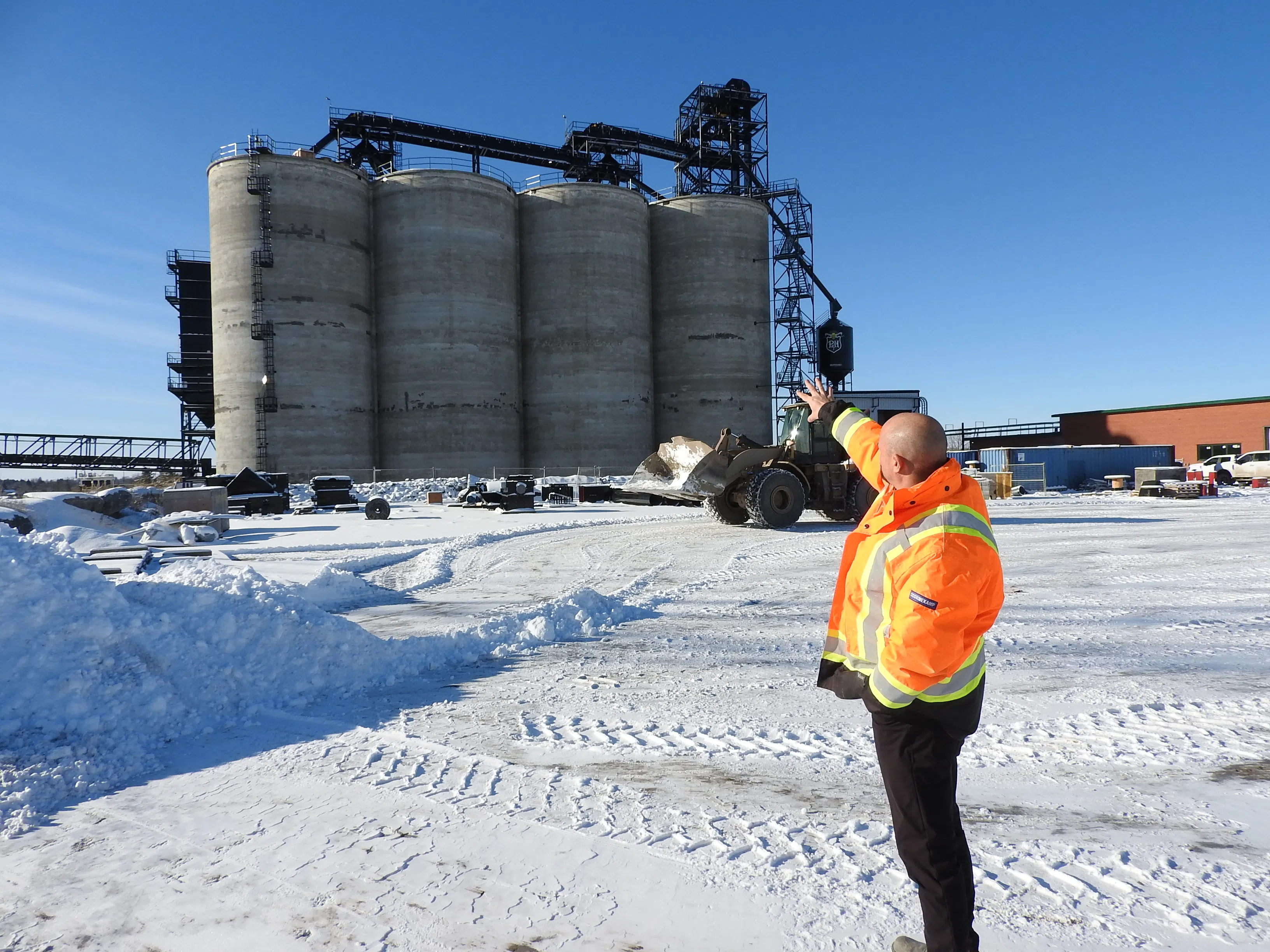
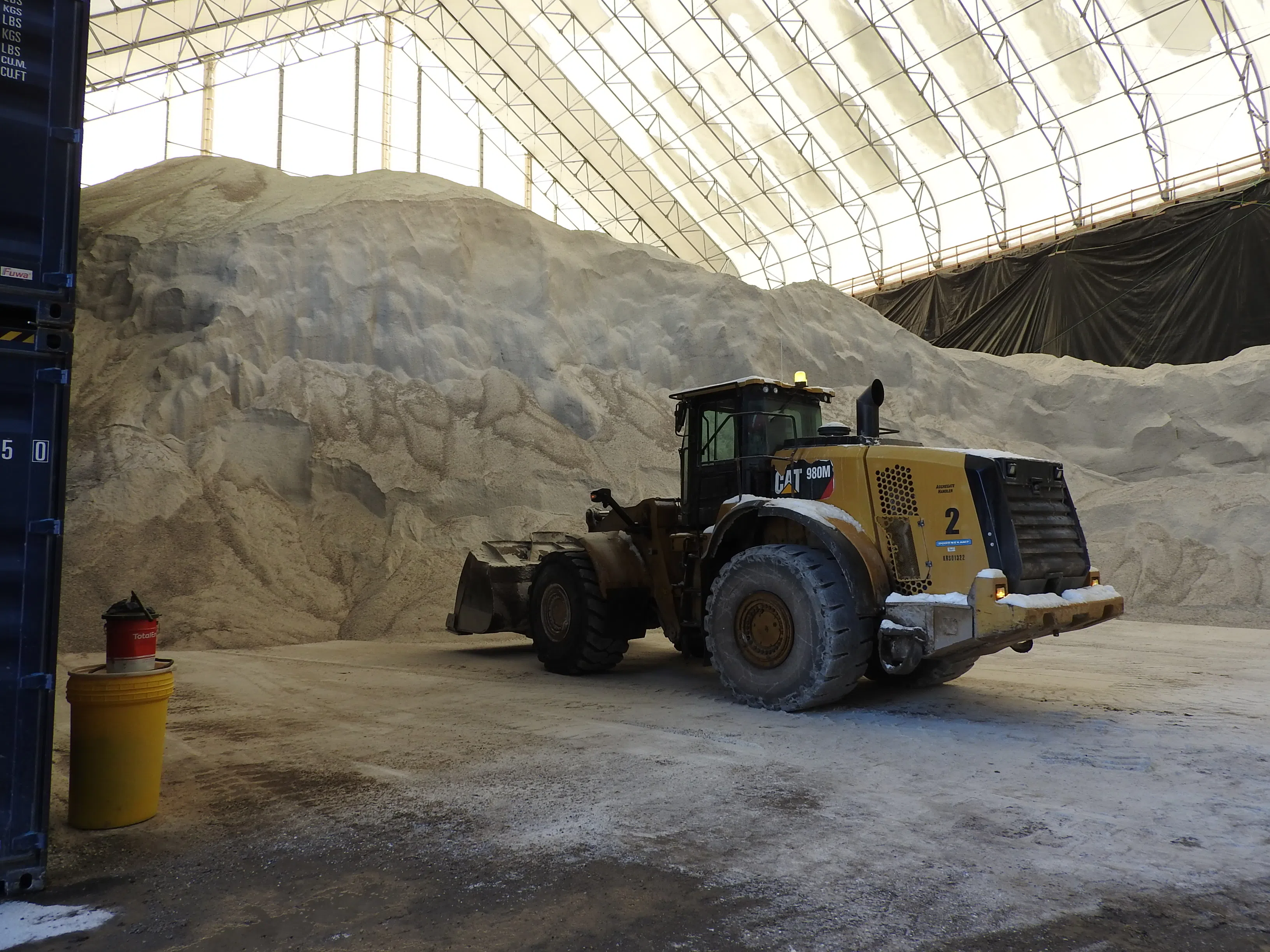
Massive equipment is required to move around salt inside a storage facility. (Photo: Tim Durkin/ Quinte News)
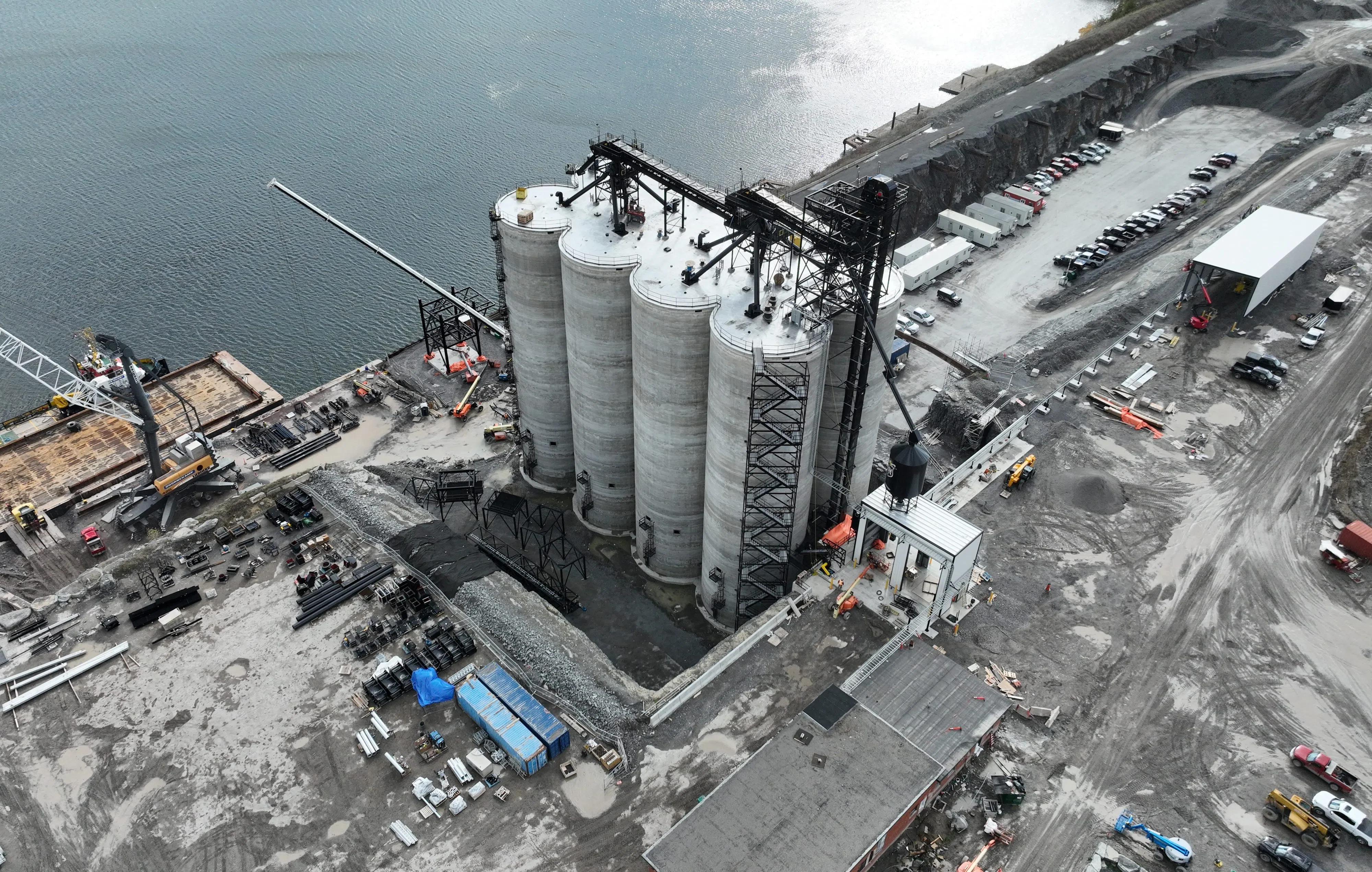
Parrish and Heimbecker – Picton Terminals
“Farmers in middle-eastern Ontario generally have to travel a long ways to take their grain to market. End users are not always in close proximity. Being able to service export markets as close as Picton will help put money back in farmers’ pockets.”
“If this product had to make its way to either Hamilton or Montreal, in order to get onto a water-born vessel, it would add approximately four million kilometres onto the 401 on an annual basis. So you can imagine what the green house emissions effects that would be, the impact it is to the infrastructure of the highways.”
“Canada needs deepwater port infrastructure to help create and sustain reliable supply chains and new markets, in order to generate jobs and attract investments.”
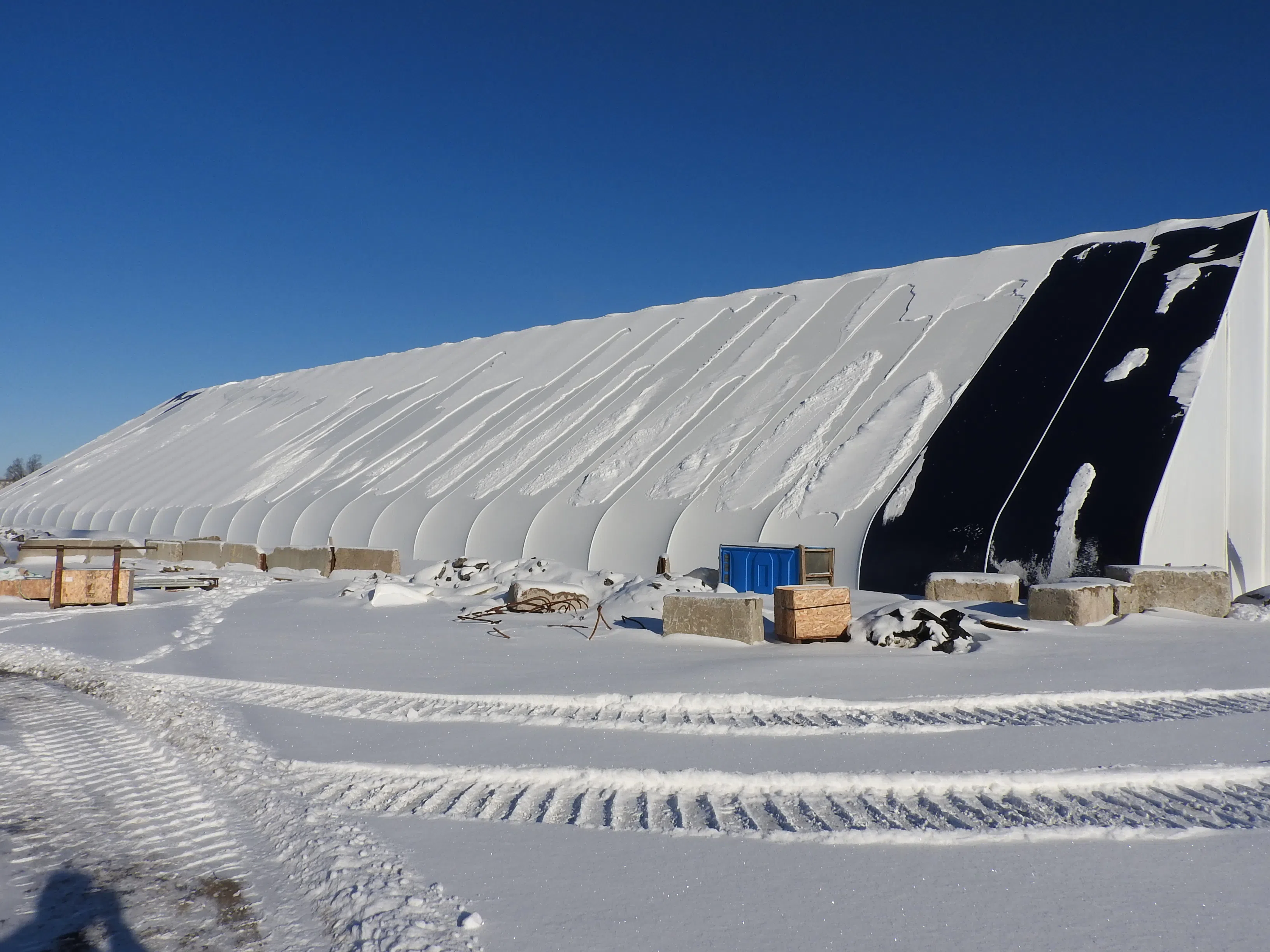
A covered storage facility for road salt. (Photo: Tim Durkin/ Quinte News)
Below is a statement from the Grain Farmers of Ontairo
Grain Farmers of Ontario, the provinces largest commodity organization (28,000 barley, corn, soybean, oat, and wheat farmers), is encouraged to see work progressing on the new grain facility at Picton Terminals.
For eastern Ontario farmers, even a modest improvement in how corn, wheat and soybeans move through the Great Lakes and St. Lawrence Seaway system can make a real difference. It helps get grain where it needs to go, and it helps do so in a way that is more predictable.
This investment in critical infrastructure supports the work farmers do. “Farmers rely on infrastructure that is dependable,” says Jeff Harrison, Chair of Grain Farmers of Ontario. “This project supports the movement of essential goods and strengthens the system we depend on to get Ontario grain to markets.”
Ontario’s supply chain is broader than grain alone. It includes other commodities that move through marine infrastructure and that, in a practical sense, support businesses, services and households across the province. When those sectors function together in a steady, reliable way, it strengthens the system that keeps food and essential goods moving.
You can see photos Quinte News took on the site earlier this week
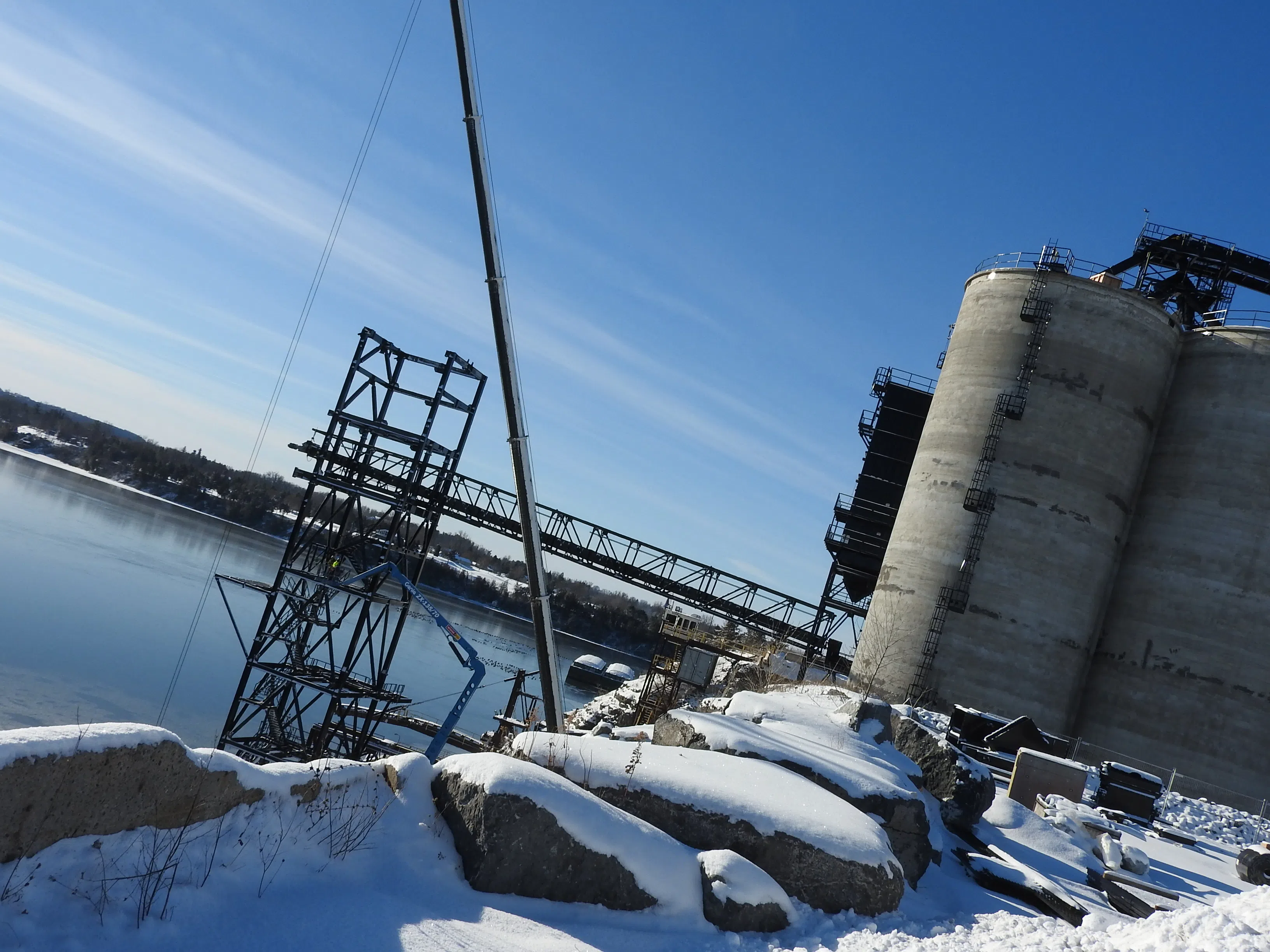
A look along Picton Bay and Lake Ontario (Photo: Tim Durkin/ Quinte News)
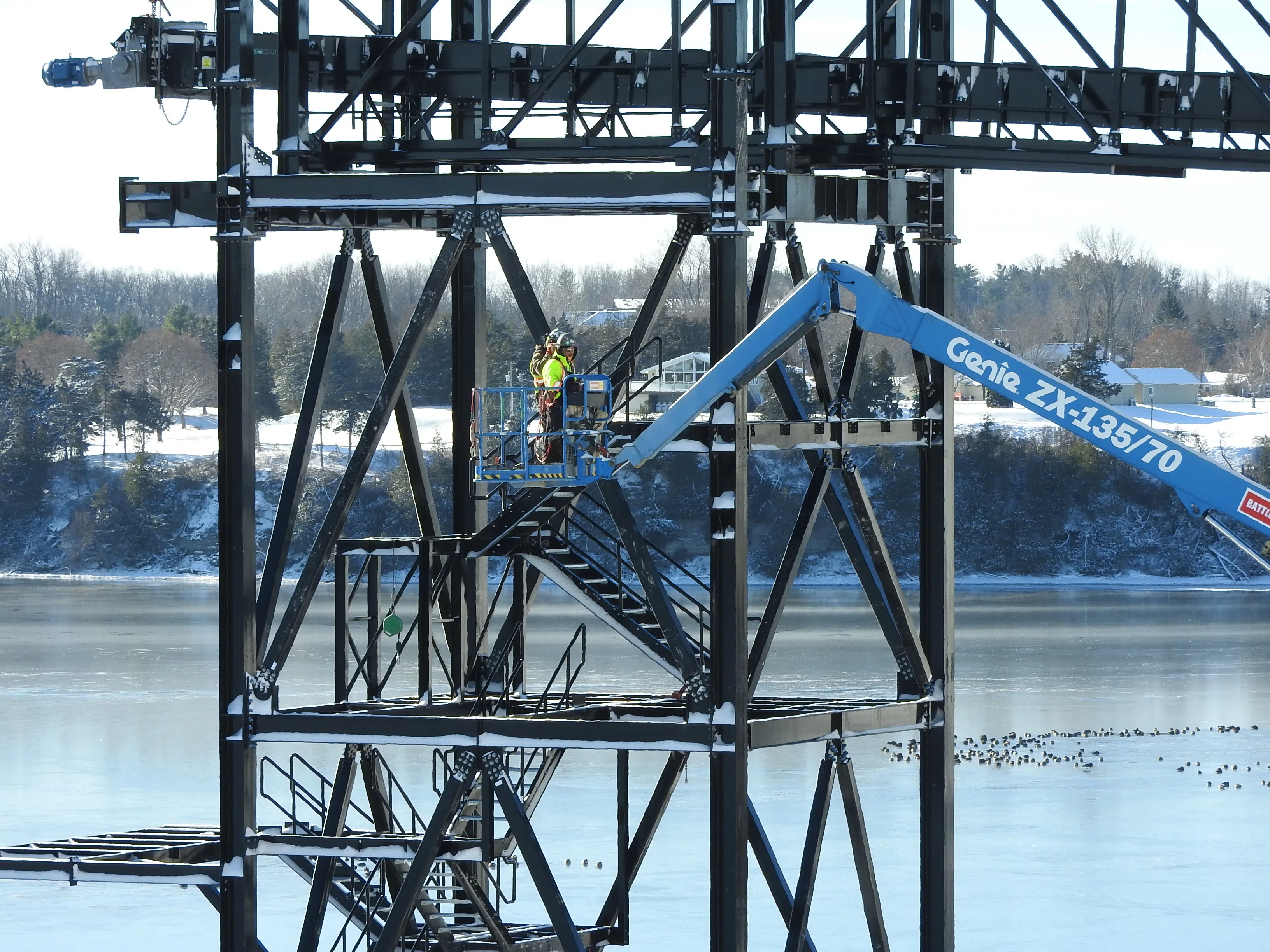
Work continues of the silo equipment, which will move agri products onto freighter ships (Photo: Tim Durkin/ Quinte News)
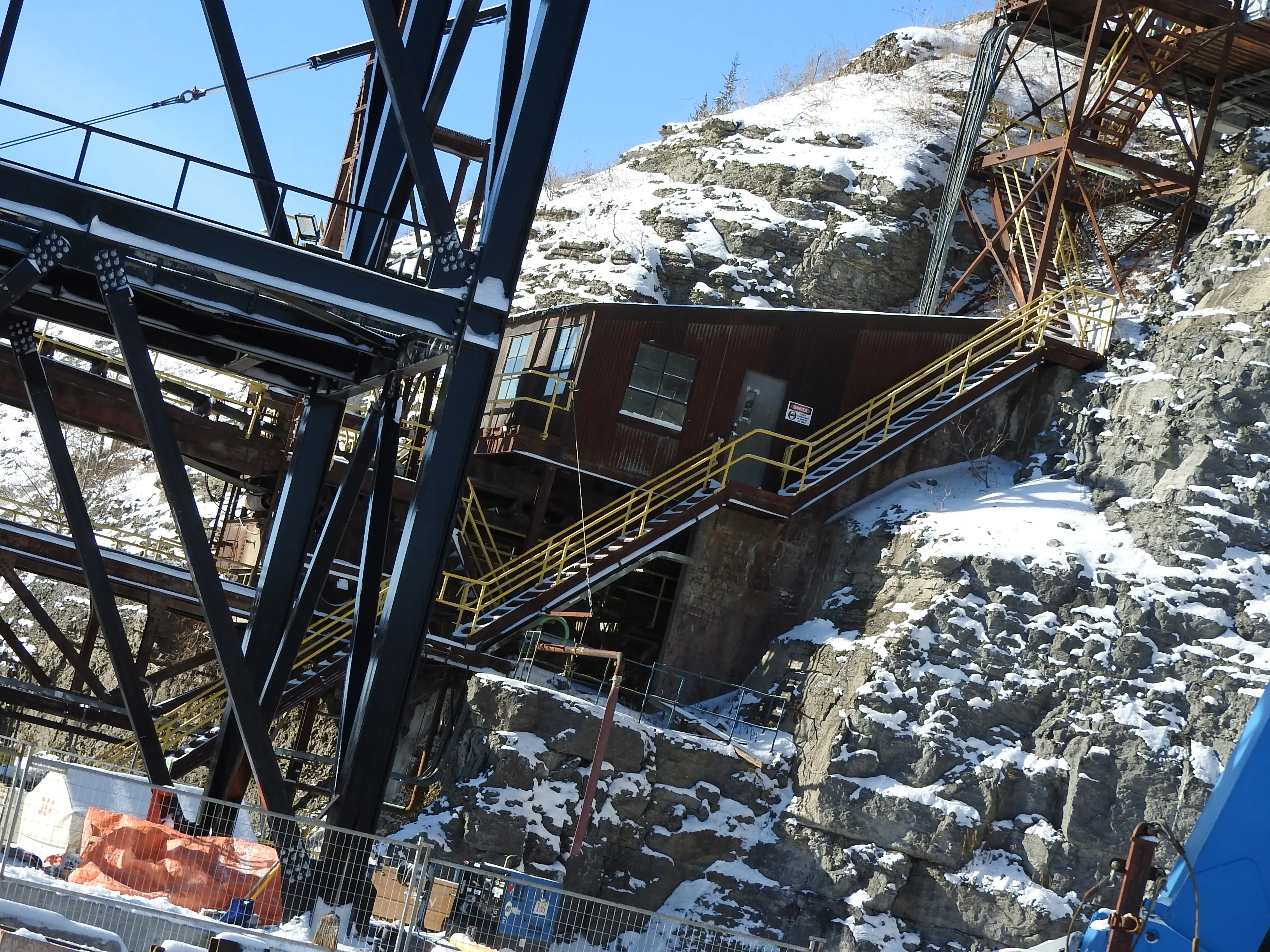
A former Bethlehem Steel Mills building constructed inside the limestone, from the 1950’s (Photo: Tim Durkin/ Quinte News)
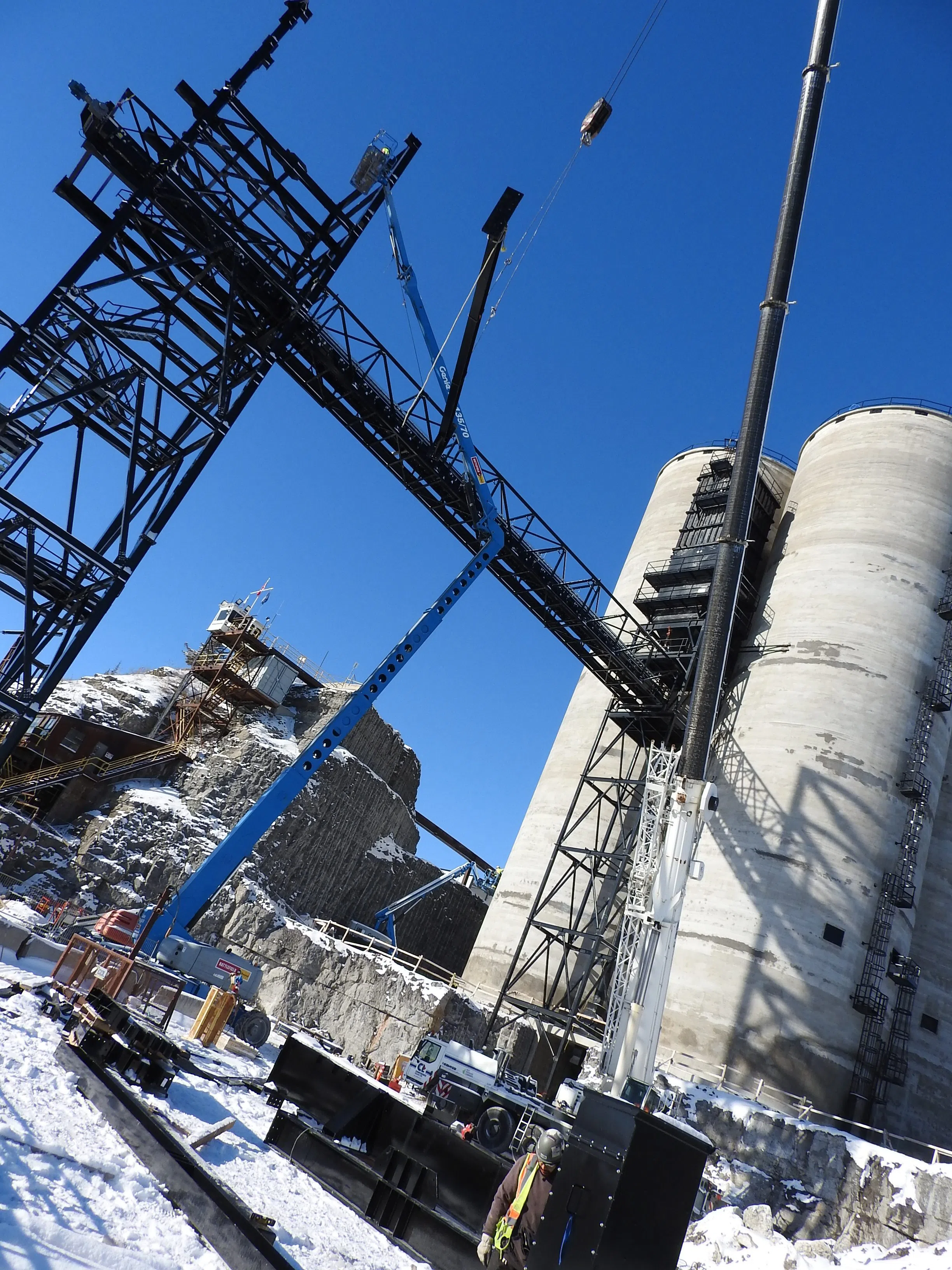
Work continues to prepare the port (Photo: Tim Durkin/ Quinte News)

Workers move steel beams around the Picton Terminals site (Photo: Tim Durkin/Quinte News)
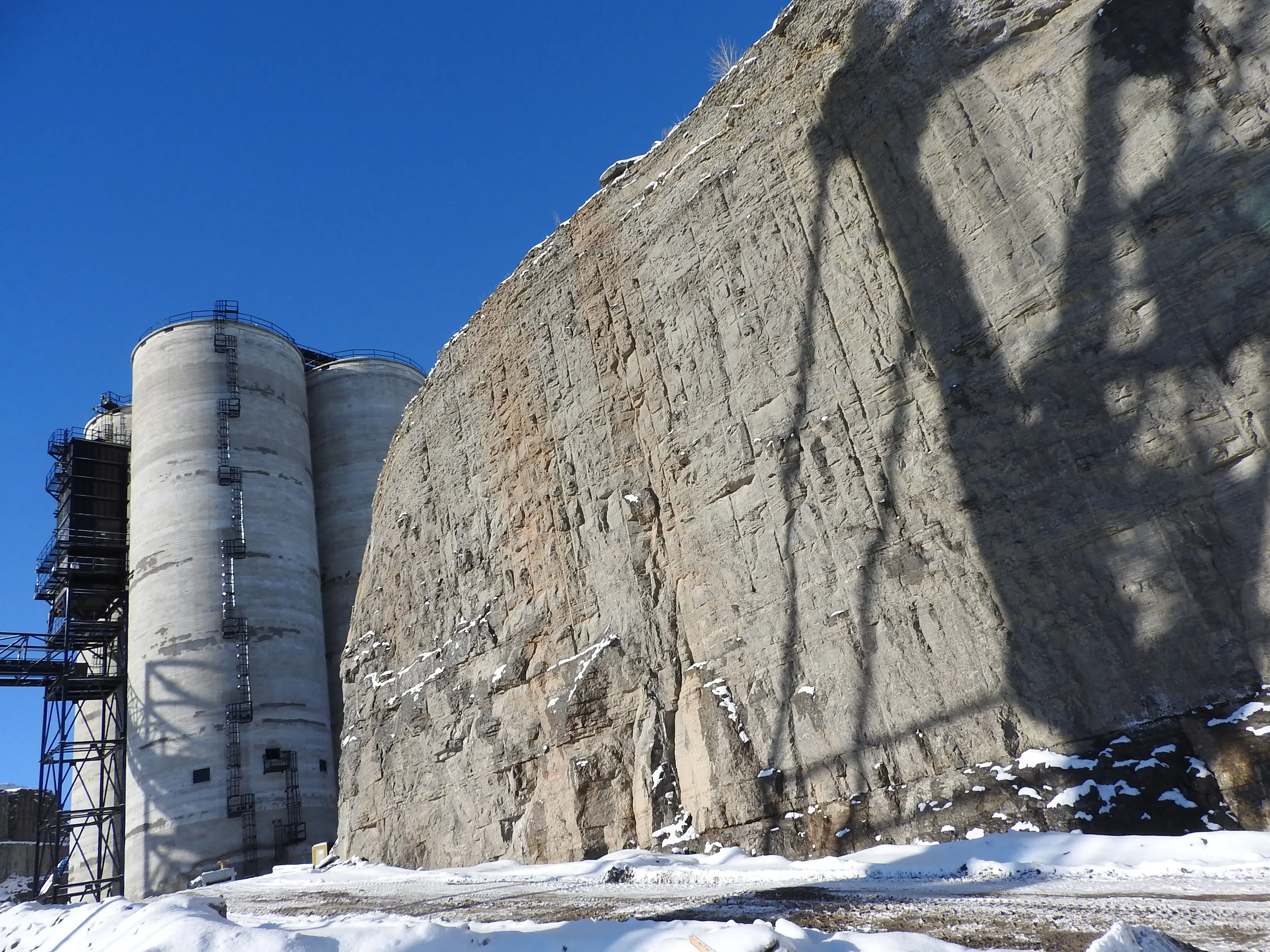
As you look at the rock face, you can see where blasting took place (Photo: Tim Durkin/ Quinte News)
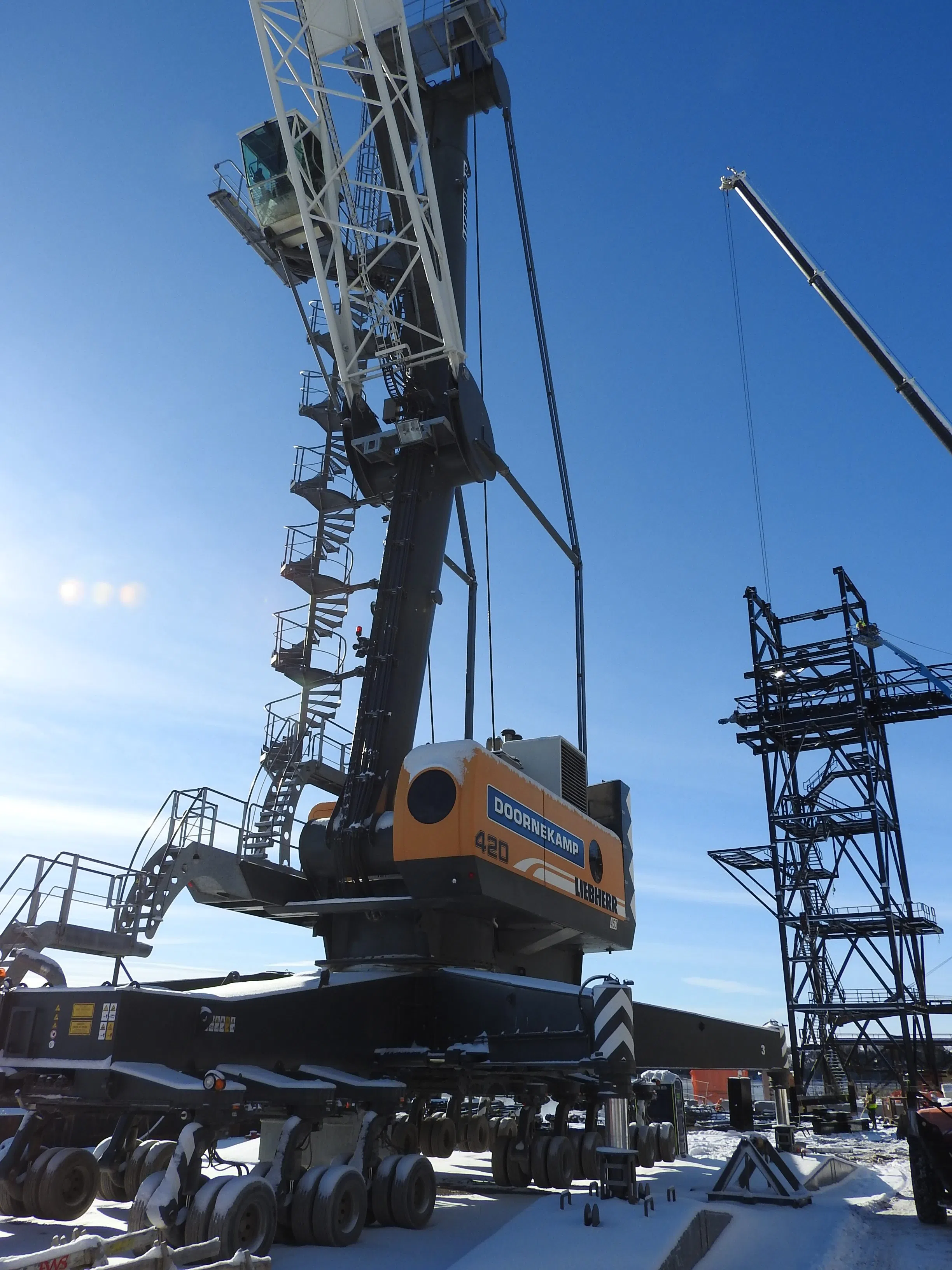
This massive crane can move thousands of pounds of product on and off freighter ships (Photo: Tim Durkin/ Quinte News)
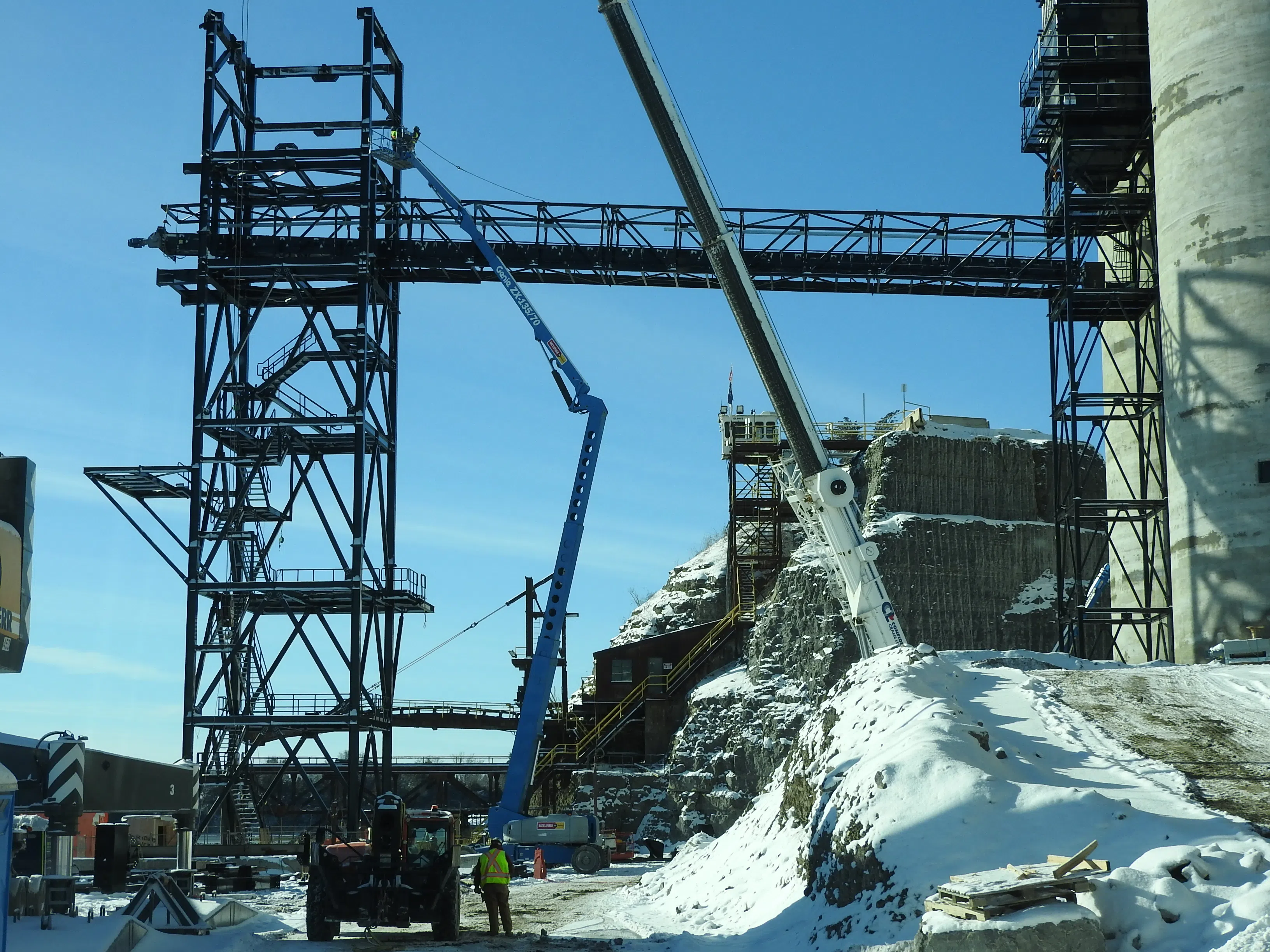
(Photo: Tim Durkin/ Quinte News)
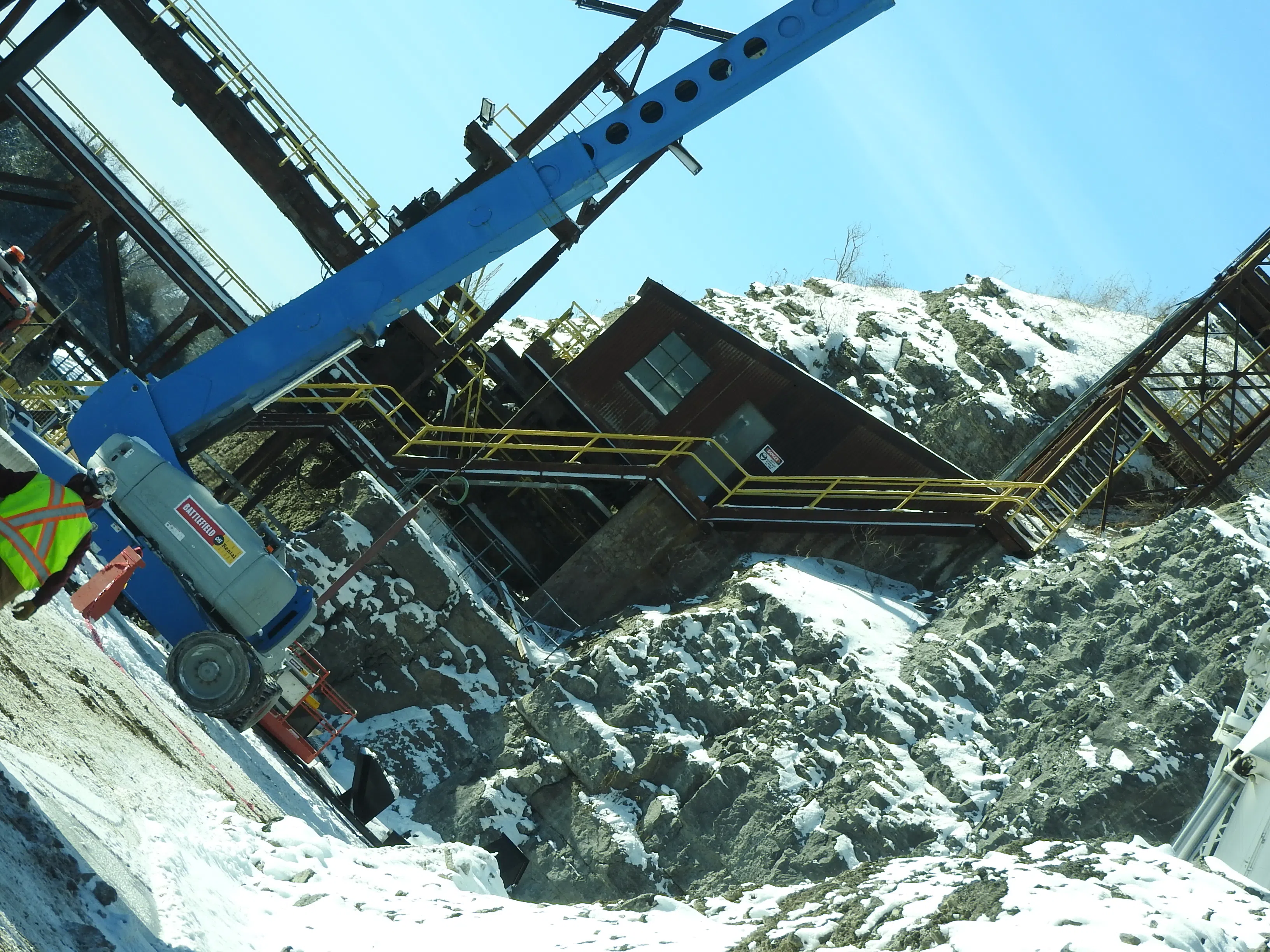
A former Bethlehem Steel Mills site built inside the limestone, from the 1950’s (Photo: Tim Durkin/ Quinte News)
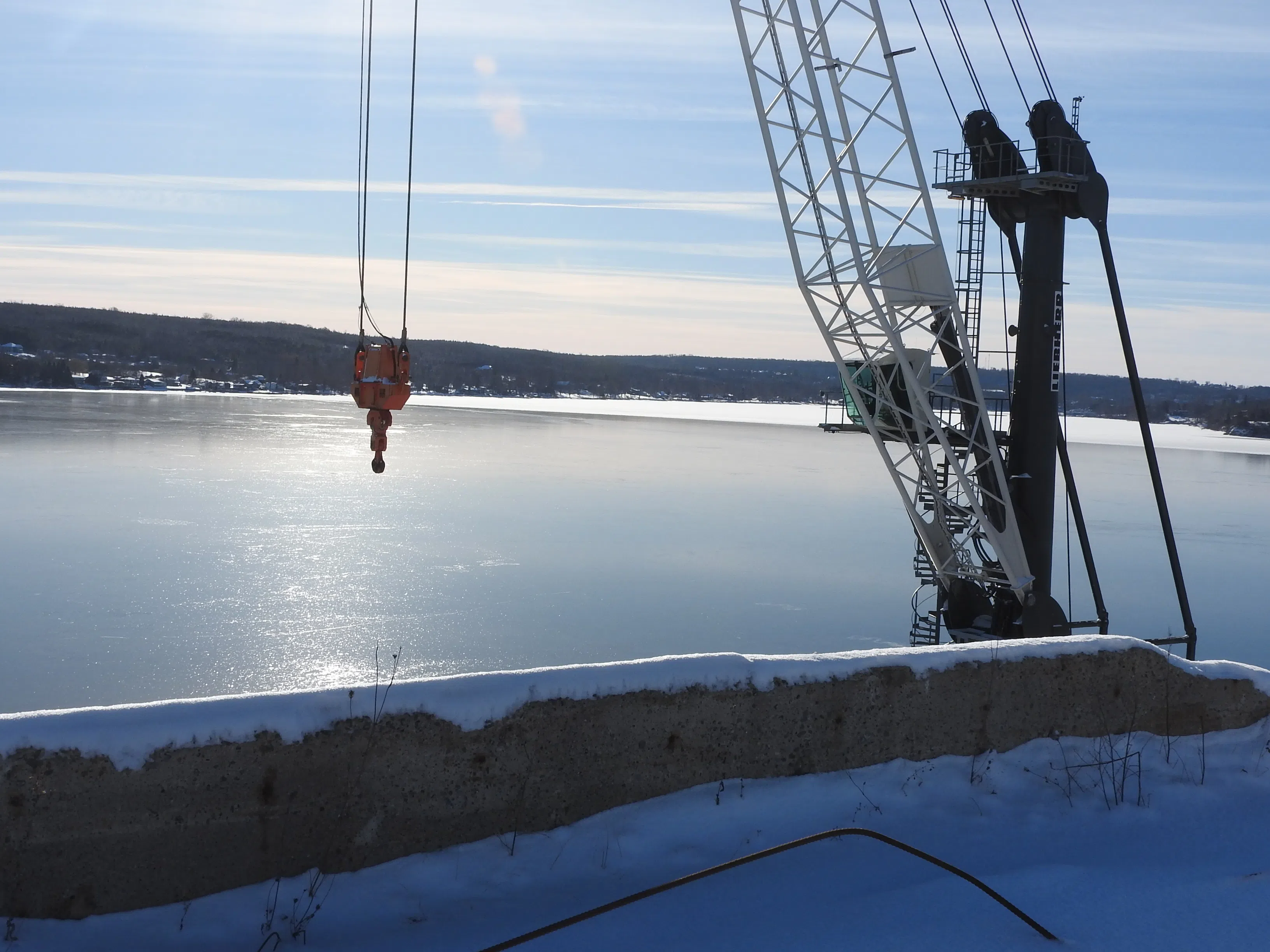
A massive crane can move items on and off of freighter ships (Photo: Tim Durkin/ Quinte News)
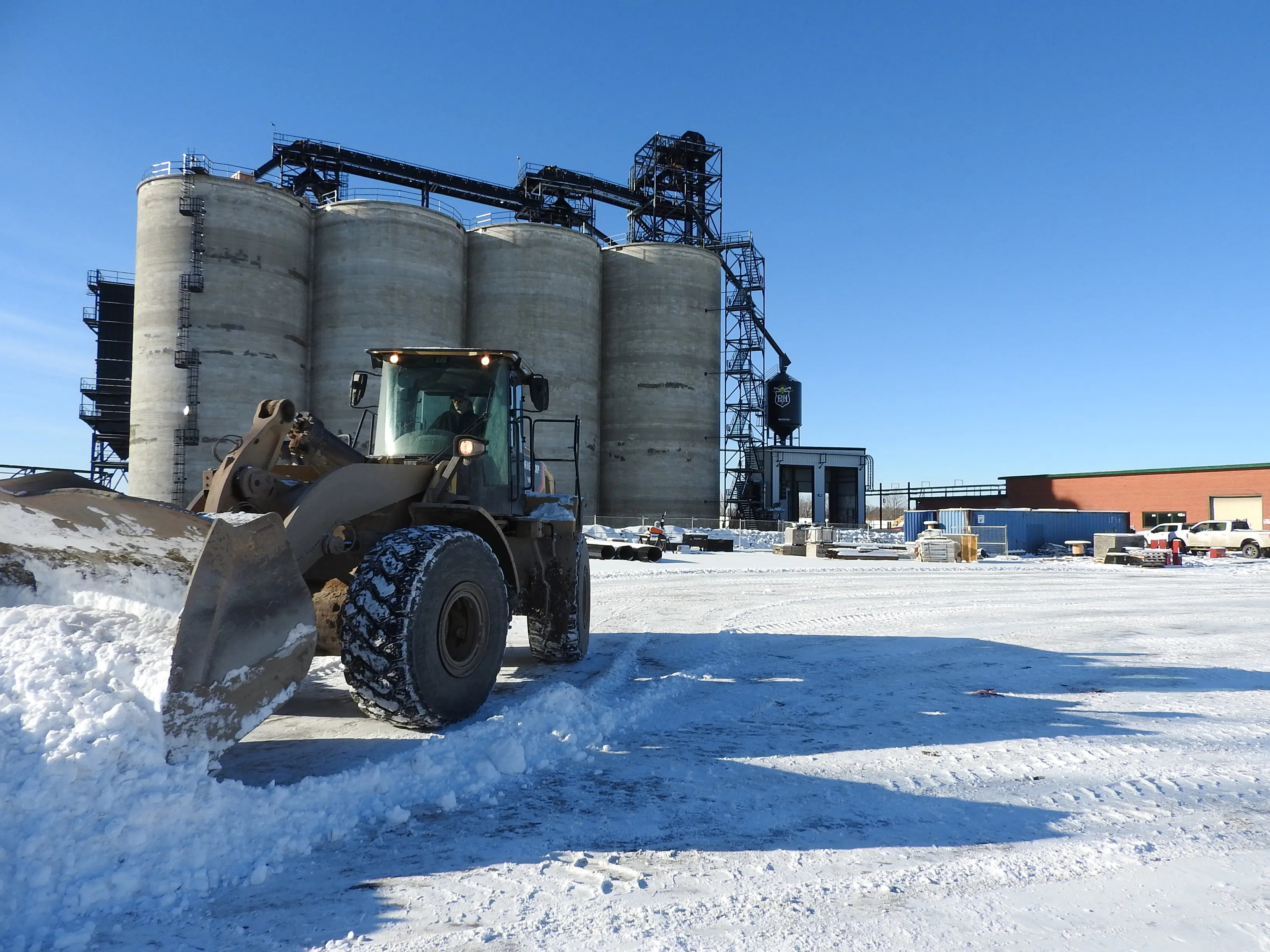
(Photo: Tim Durkin/ Quinte News)
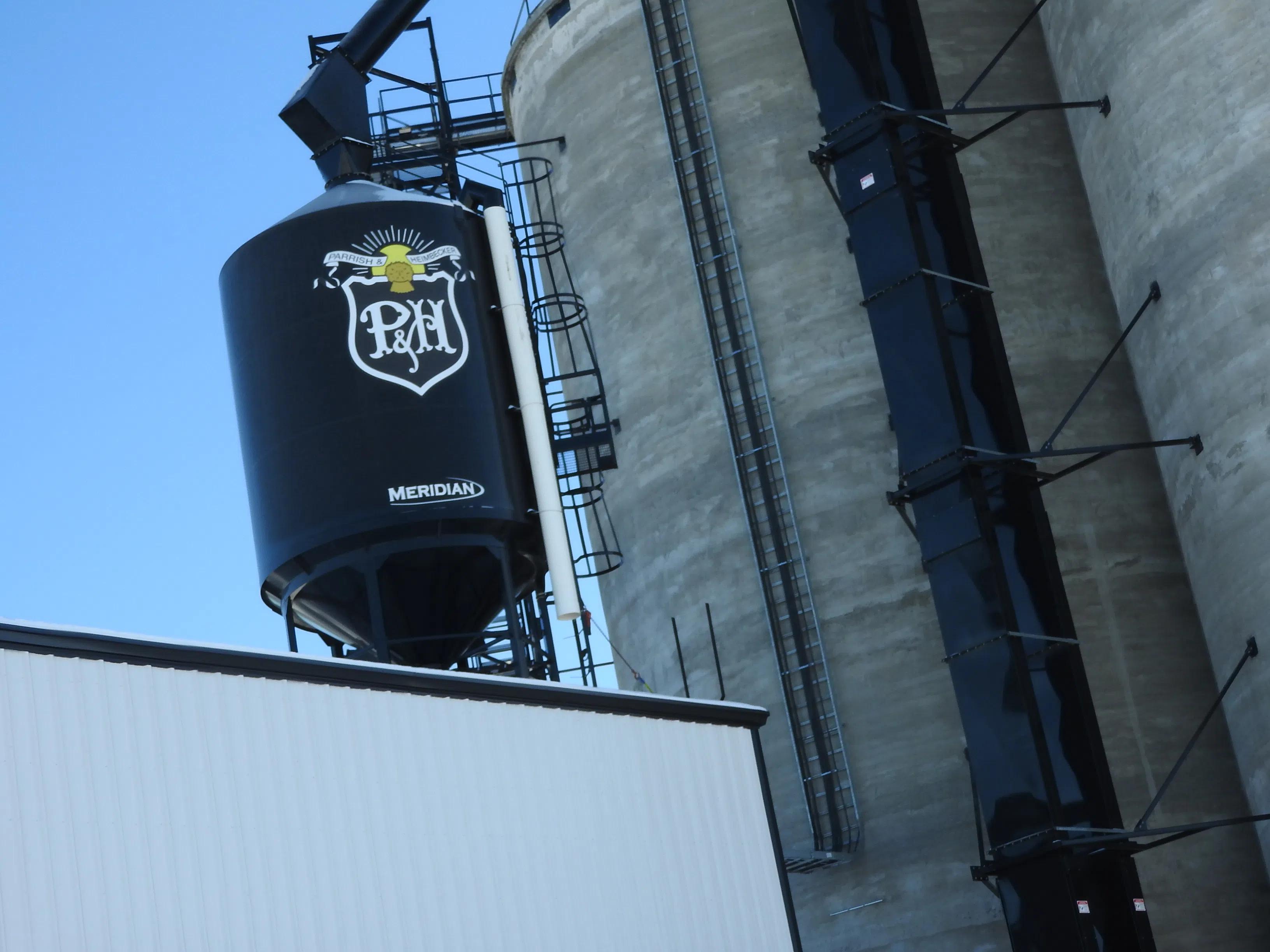
Parrish and Heimbecker silos at Picton Terminals (Photo: Tim Durkin/ Quinte News)
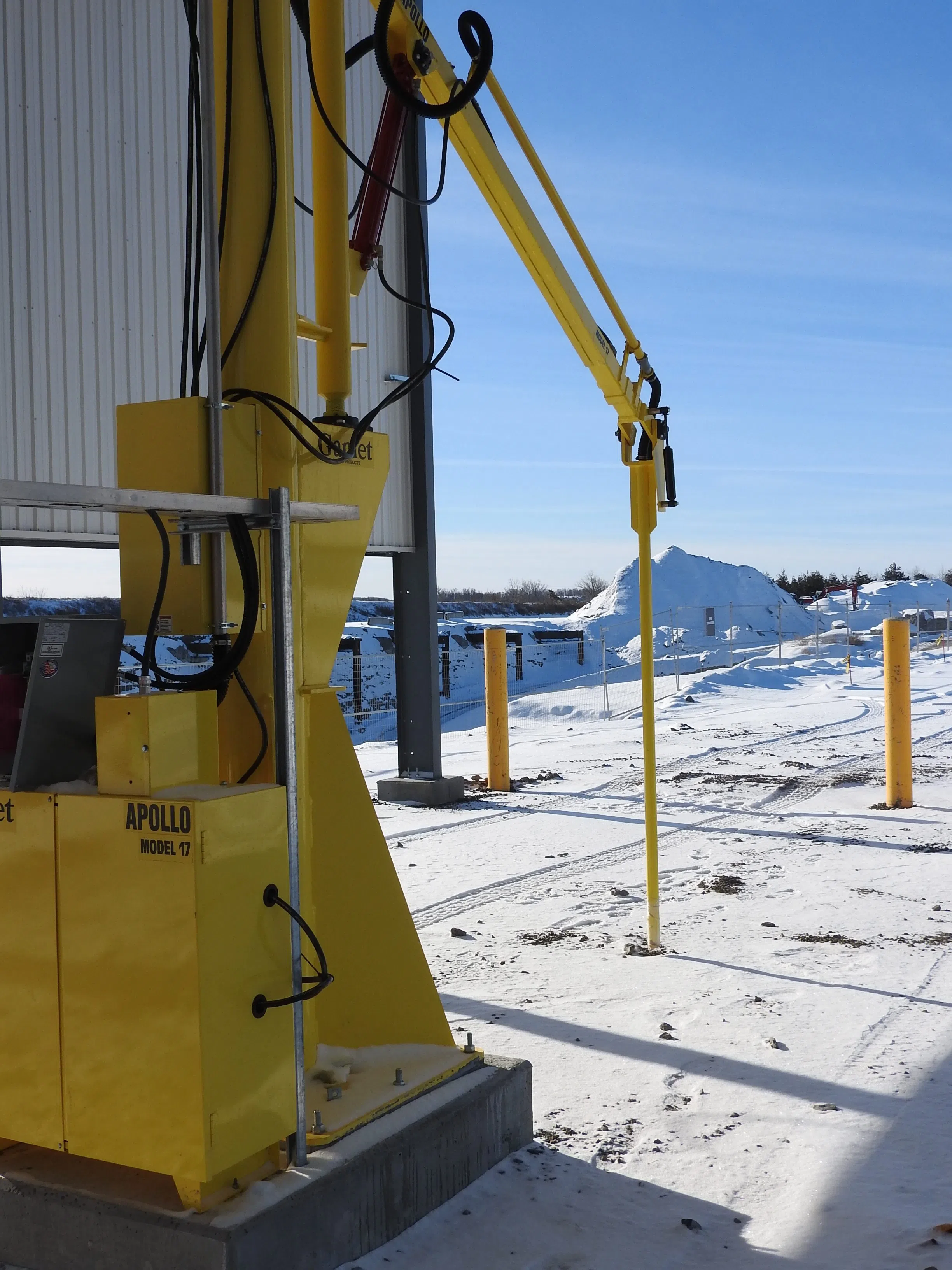
This robotic arm will inspect various loads of crops (sod/corn/soy/wheat) to ensure they meet quality standards (Photo: Tim Durkin/ Quinte News)
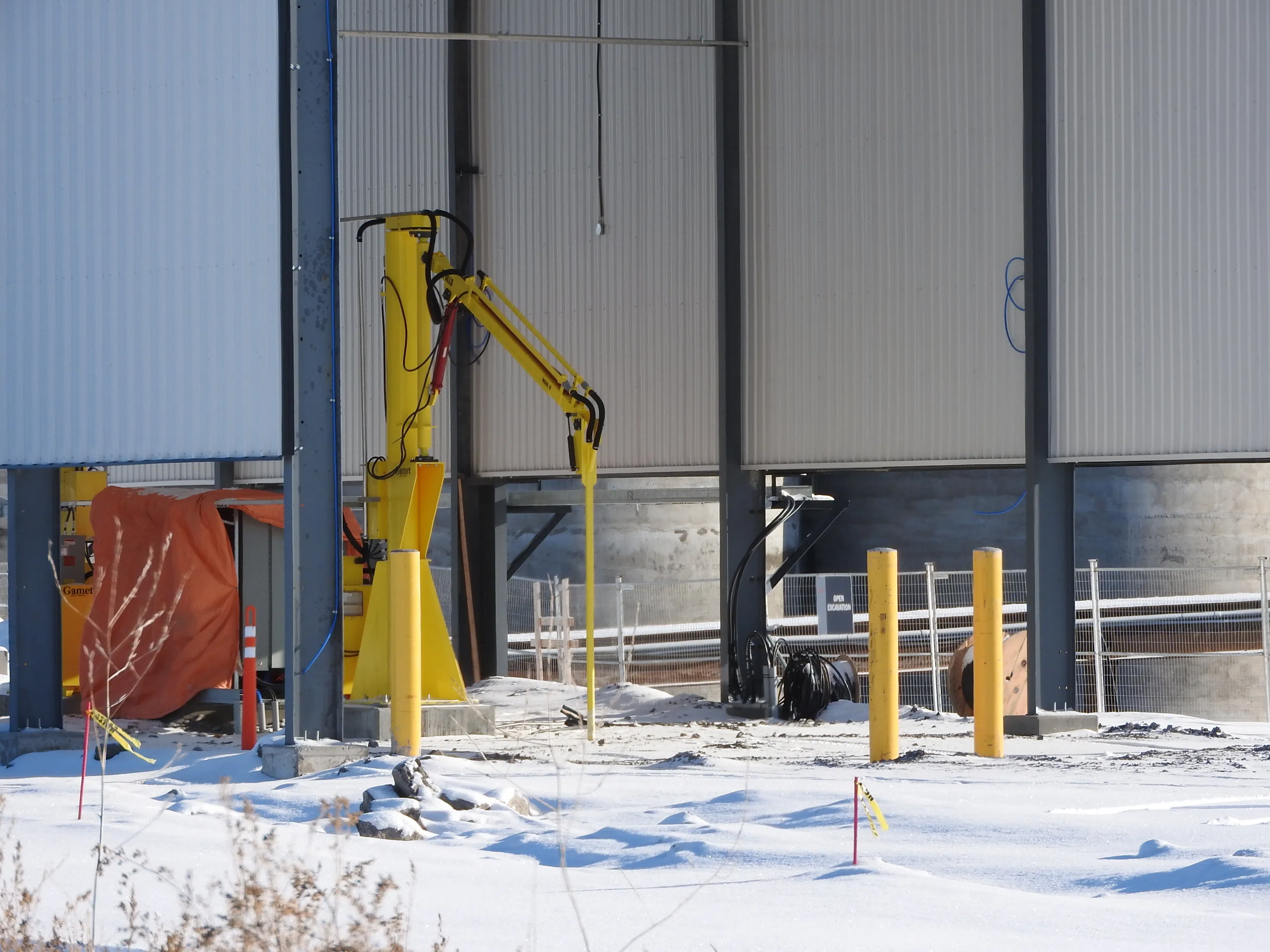
This robotic arm will inspect various loads of crops (sod/corn/soy/wheat) to ensure they meet quality standards (Photo: Tim Durkin/ Quinte News)
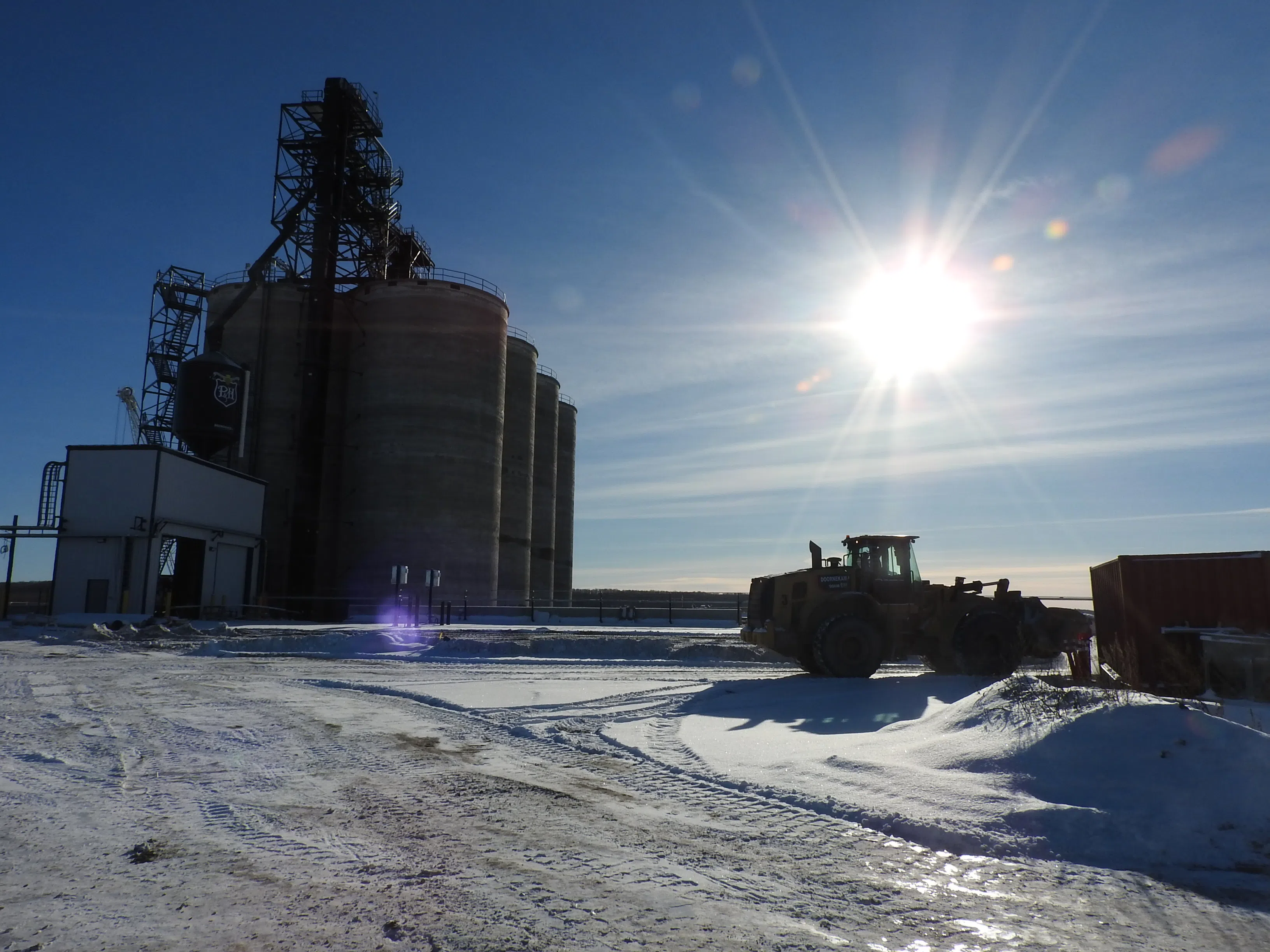
Parrish and Heimbecker silos on site at Picton Terminals (Photo: Tim Durkin/ Quinte News)
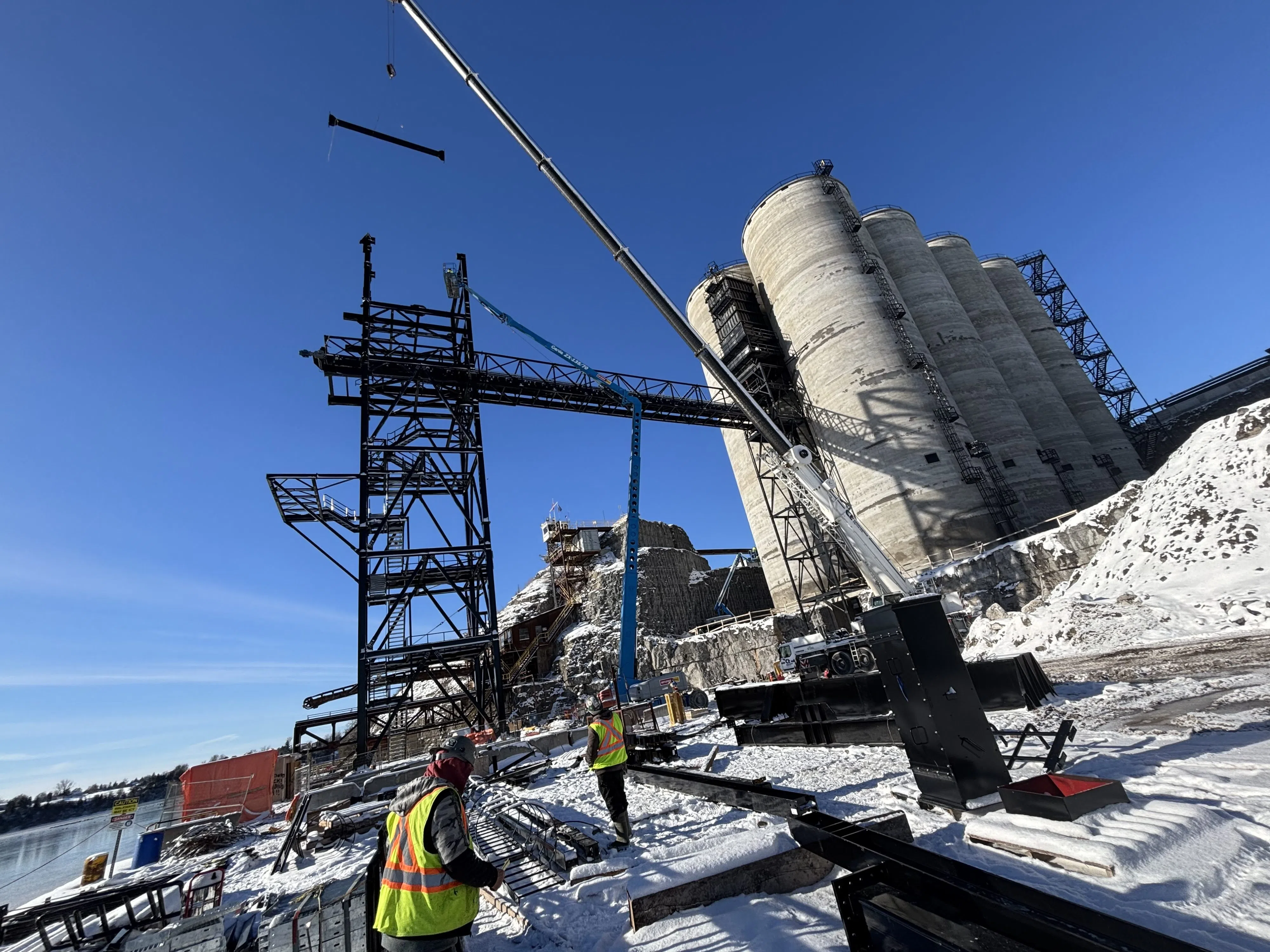
Workers move large steel beams for one of their clients (Photo: Tim Durkin/ Quinte News)
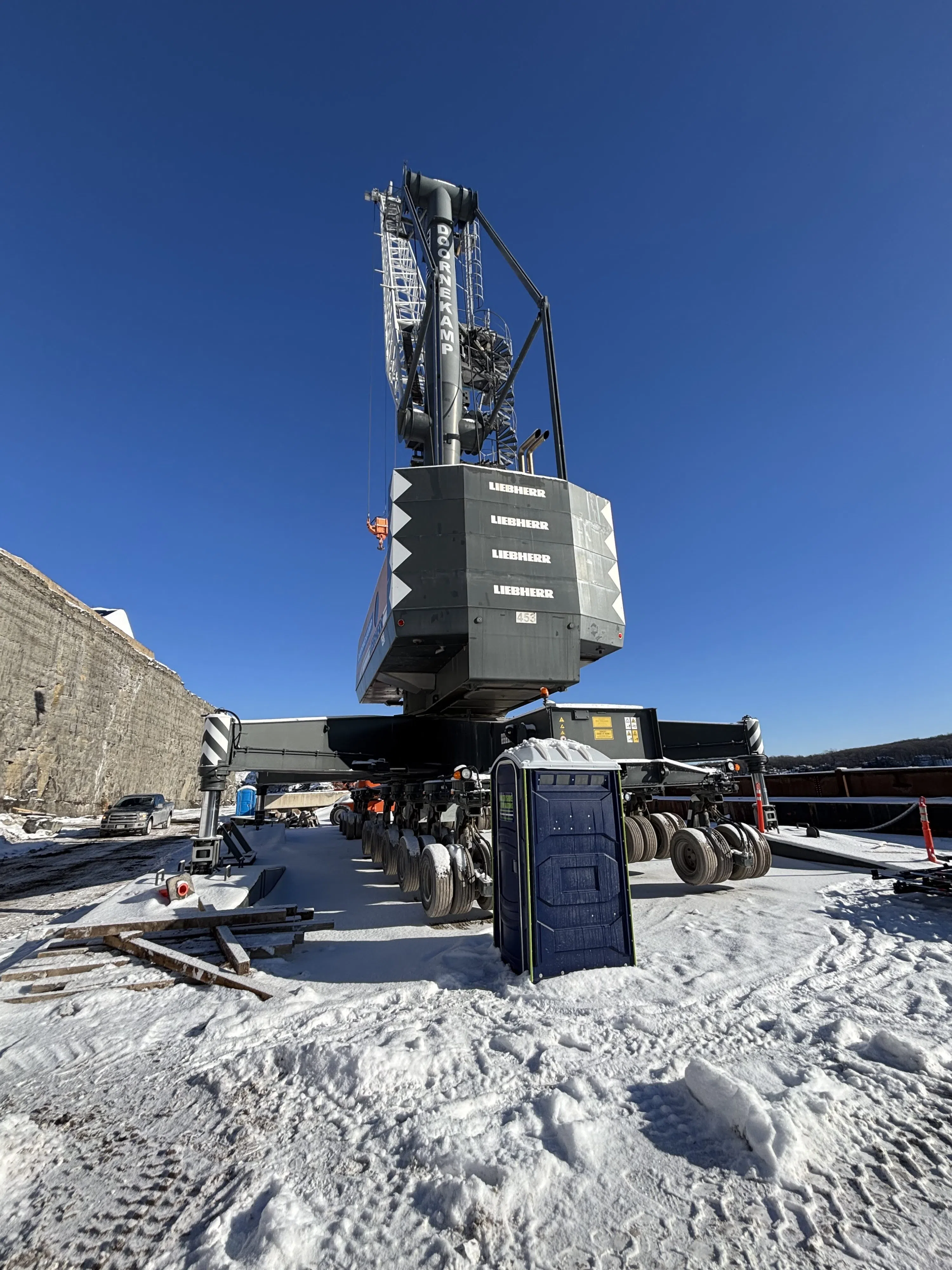
A massive crane can move cargo/product on and off lake freighters (Photo: Tim Durkin/ Quinte News)
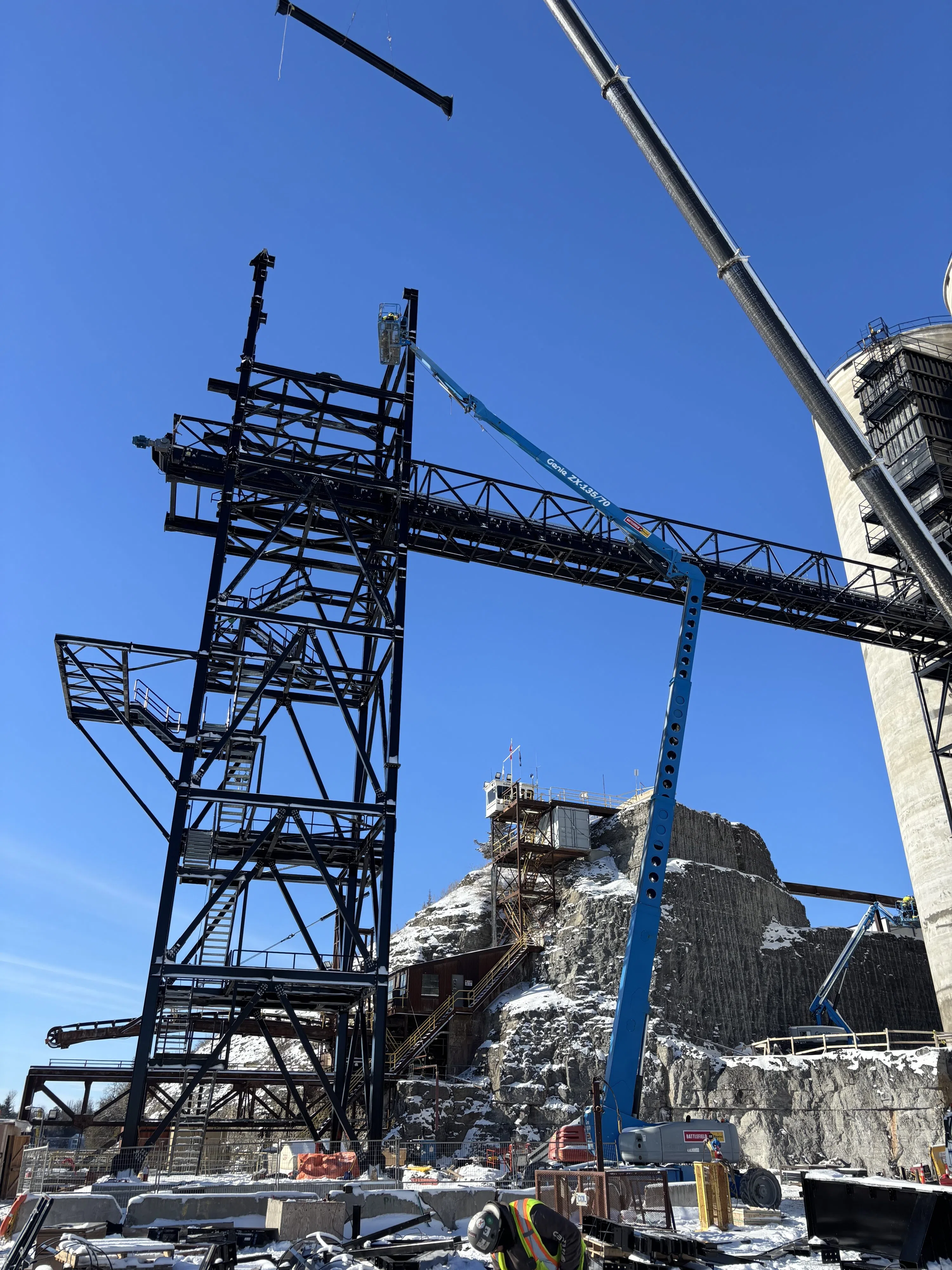
A large steel beam is raised, while workers continue on site construction (Photo: Tim Durkin/ Quinte News)
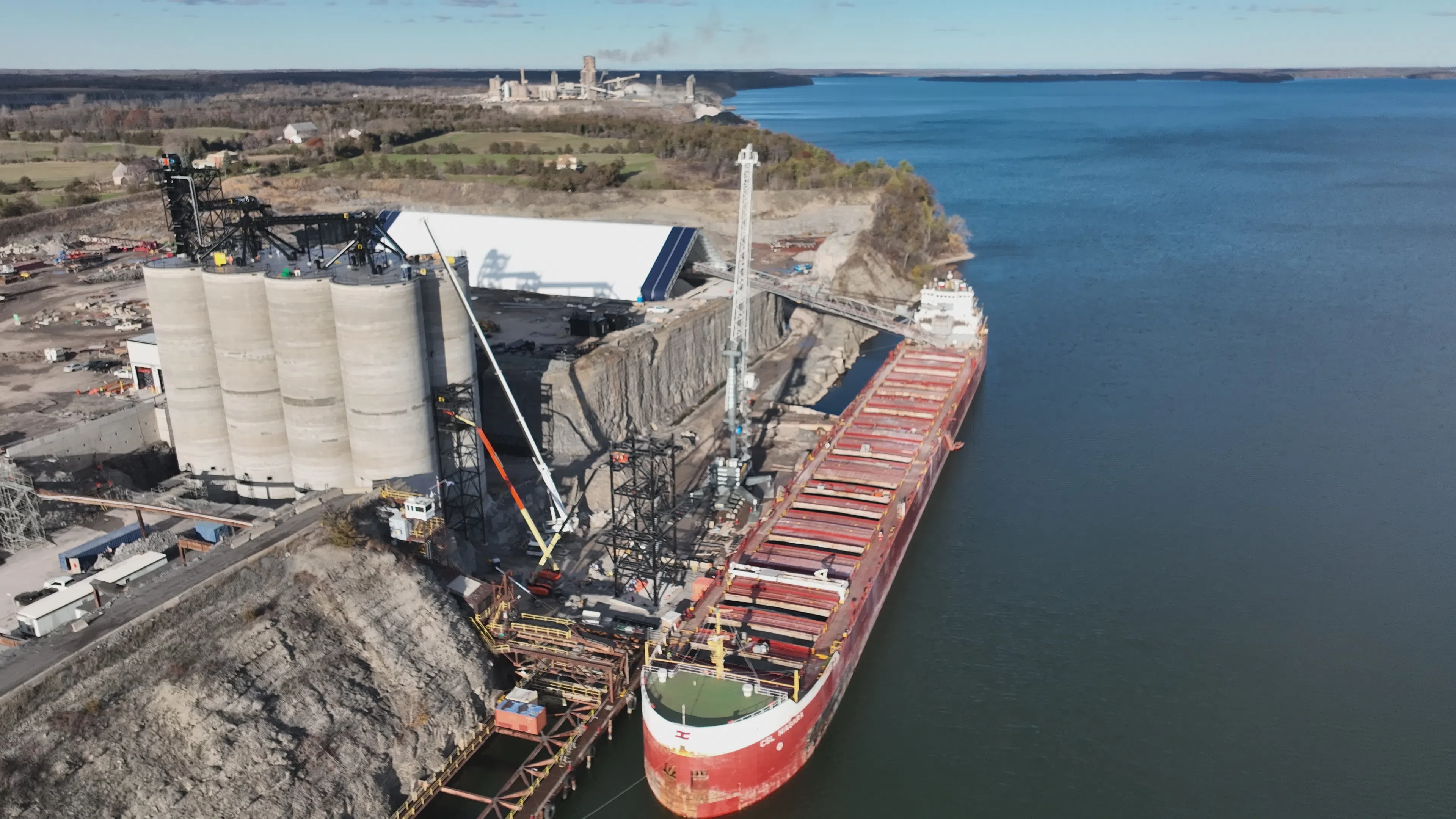
A summer drone photo of a freighter ship at Picton Terminals
